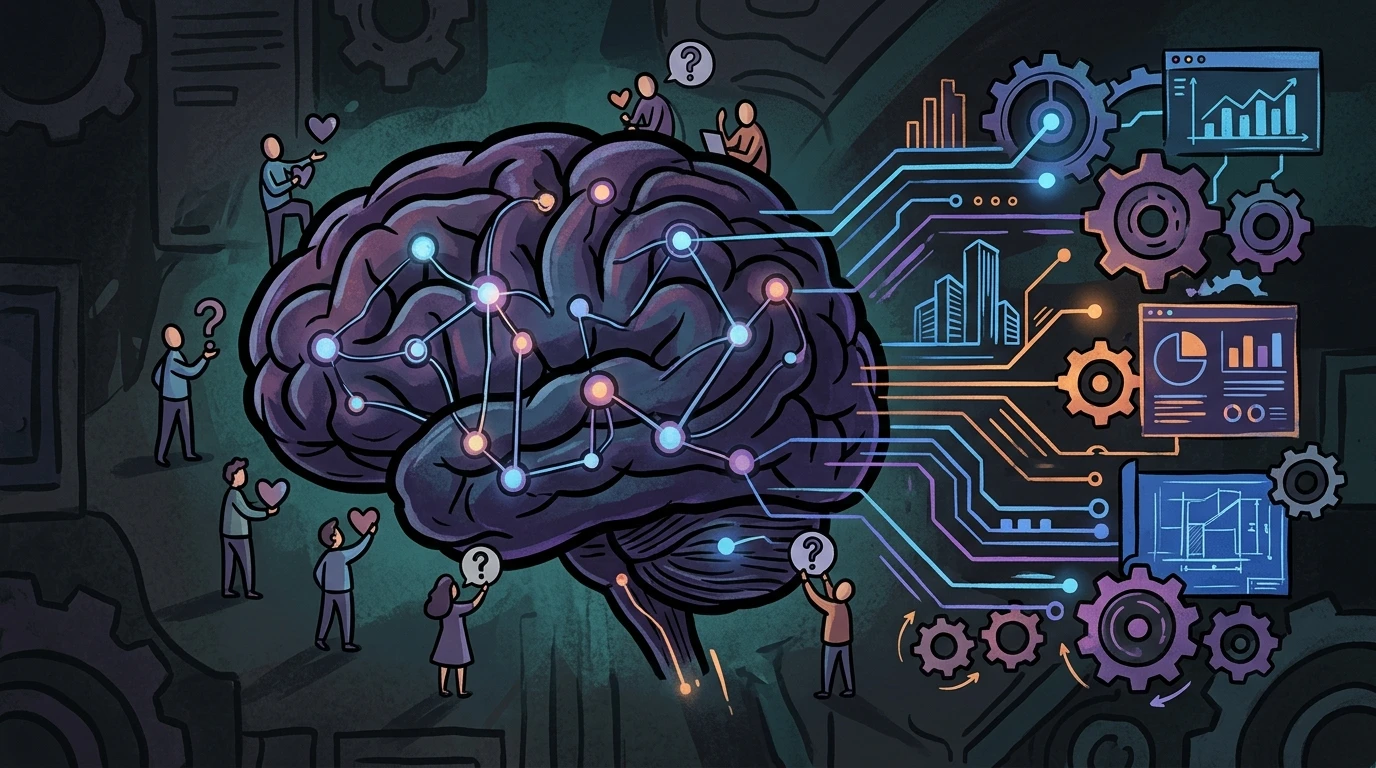
I recently came across a straightforward market analysis summarizing what drives different consumer personas. Selling desire to men, beauty to women, peace of mind to parents, dreams to children, security to the wealthy, hope to the poor, identity to the youth, companionship to the lonely, status to the ambitious, and comfort to the weary.
That got me thinking about how these dynamics apply when building digital products.
Well-structured code, fast databases, and resilient infrastructure solve technical requirements. However, people using your application do not evaluate the elegance of your database queries; they evaluate how the system makes them feel. The practical challenge is: how to translate these human psychological drivers into concrete UI decisions, security patterns, and user journeys?
1. Security and peace of mind as the core foundation#
When someone manages their career steps or organizes their study schedule, their primary motivation is stability and control. In software development, this cannot merely be marketing copy on a landing page. It must be visible in practice.
Privacy by design in the interface#
Lengthy terms of service do not build trust. Users need a clear control panel where they can:
- Export their personal data with one click in open formats (JSON or CSV);
- Revoke permissions or request full account deletion without bureaucratic support tickets;
- Inspect exactly what information is stored.
Providing direct control creates genuine reassurance. Users immediately feel in charge of their personal data.
Transparent activity logs#
Listing active sessions with device details, approximate location, and recent IP addresses, along with a button to revoke remote sessions, removes anxiety around unauthorized access. Clear visibility provides peace of mind.
{
  "active_sessions": [
    {
      "device": "Firefox on Linux (x86_64)",
      "ip_hash": "201.86.xxx.xxx",
      "last_activity": "2026-08-30T22:15:00Z",
      "current": true
    }
  ]
}
2. Identity and status through meaningful gamification#
Users who are advancing their careers or studying complex topics seek validation and tangible recognition for their effort.
Badges and milestone tracking#
Translating completed lessons and continuous streaks into well-crafted visual achievements makes invested time feel permanent. A detailed badge acts as a record of personal dedication.
Customizable dashboards#
Allowing users to arrange widgets, pin favorite metrics, and customize their overview creates a sense of ownership. The platform stops feeling like a generic tool and becomes their personal workspace.
Actionable feedback in AI features#
The value of an AI-assisted feature, whether reviewing a resume or running spaced repetition, does not come from model parameter count. It comes from feedback clarity. A cold score creates uncertainty. Concrete suggestions, such as "rephrase this section to highlight your recent project", turn the tool into a practical mentor.
3. Cognitive comfort for exhausted users#
Modern routines are saturated with notifications and cognitive overload. When a user opens an application after a long workday, unnecessary friction leads directly to churn.
Eliminating friction points#
- Streamlined onboarding without demanding extensive profile forms up front;
- Snappy UI responses powered by smart caching and optimistic client updates;
- Continuous autosave so work is never lost if a browser tab closes unexpectedly.
Focused, distraction-free visual design#
Avoiding flashing promotional banners, maintaining high-contrast readability, and preserving visual hierarchy helps users concentrate. Fewer screen distractions mean lower mental fatigue.
Conclusion: aligning software architecture with human reality#
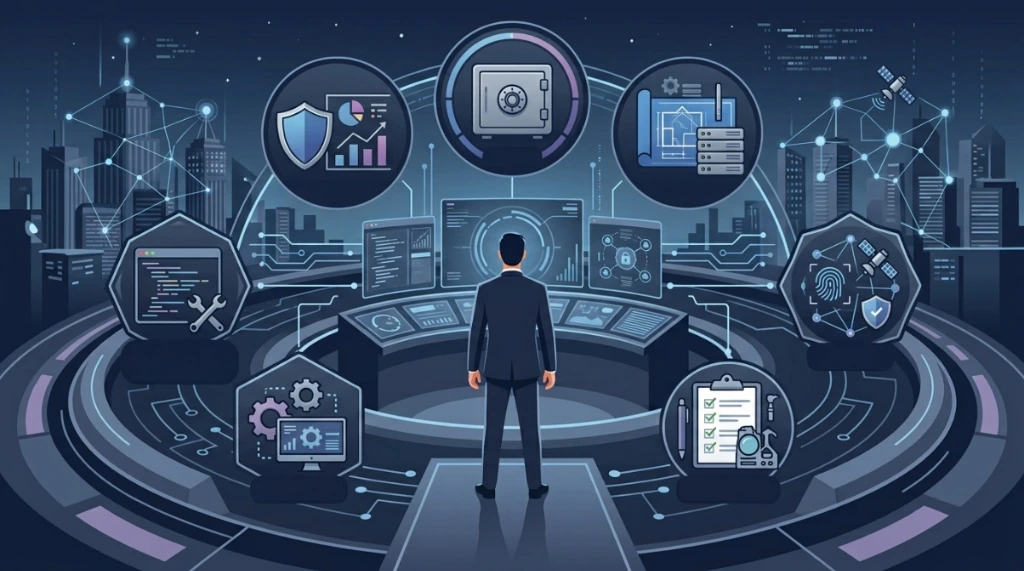
Connecting behavioral triggers to product decisions demonstrates that modern technology is just the foundation. The true strength of an application comes from designing every component, button, and privacy control around the genuine aspirations, concerns, and daily needs of the human behind the screen.
Was this article helpful?
Leave a quick reaction to help prioritize future technical guides:
See also



This post is licensed under CC BY-NC.
Comments
Join the discussion below.
0 comments